Contents (17 sections)
Finding your unique artistic style is a journey rather than a destination. This process allows you to express your individuality and differentiate your work from others in a crowded market. With myriad artistic voices competing for attention, cultivating a distinct style is not just beneficial—it's essential. In this guide, we’ll explore practical, actionable steps to help new artists like you define and refine your artistic voice.
1. Explore Different Mediums and Techniques
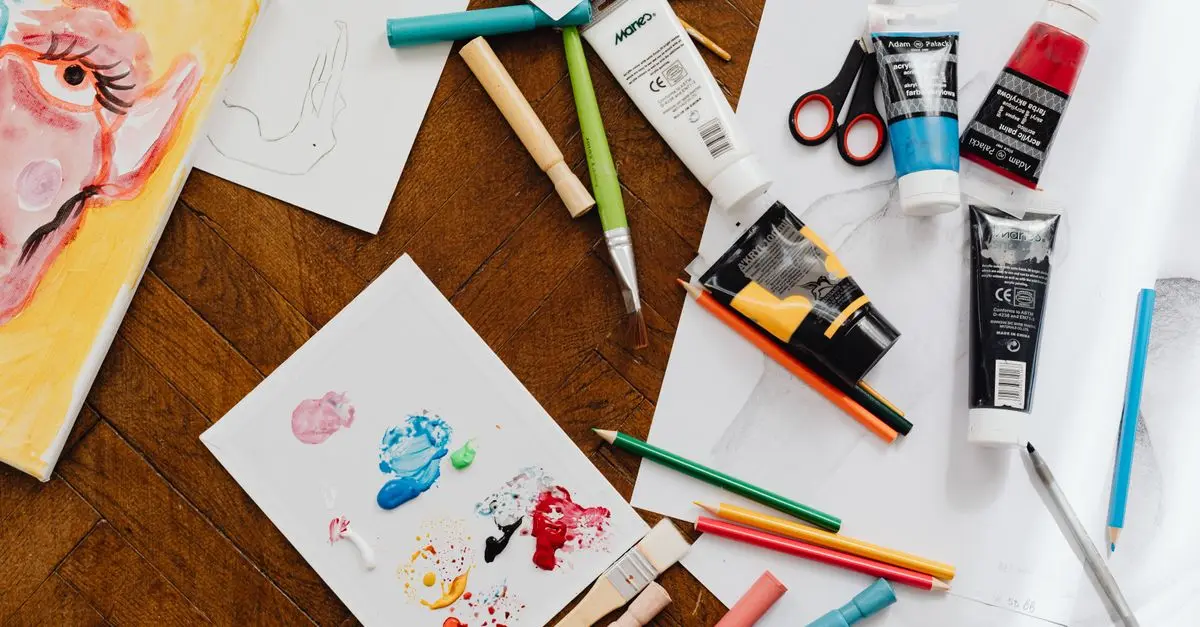
Before you settle on a unique artistic style, it’s crucial to experiment with various mediums and techniques. Engaging with different materials—be it watercolours, acrylics, digital programs, or sculpting—can help you discover what resonates most with you.
Consider joining workshops or online courses focusing on multiple art forms. This exploration allows you to hone your skills and ultimately influences your style. For instance, artists like Frida Kahlo blended elements from both traditional Mexican art and surrealism, creating a style that was both personal and impactful. Moreover, according to a study by Art Business Today, artists who regularly experiment with new techniques develop more distinctive styles that stand out in galleries.
Tips:
- Create small projects with different mediums.
- Keep a journal of techniques you like and dislike.
- Attend local art fairs or exhibitions to see various styles in action.
2. Identify Your Inspirations and Influences
Once you’ve experimented with different mediums, it's time to reflect on what inspires you. Your influences can come from other artists, nature, literature, or even personal experiences. Understanding these influences helps you build a foundation for your unique artistic style.
Compile a list of artists you admire and analyse what aspects of their work resonate with you. Websites like Pinterest or Behance can be excellent for discovering new artists and styles. For example, the style of Vincent van Gogh may influence your colour choices, while Georgia O'Keeffe might inspire your subject matter. According to research from the Creative Arts Journal, artists who actively consider their influences tend to develop more cohesive styles.
Exercise:
- Create a mood board with imagery that inspires you.
- Write brief descriptions of what you admire about these works.
3. Create a Body of Work
An integral part of defining your unique artistic style is creating a cohesive body of work. This could be a series of paintings or a collection of digital designs that reflect your artistic journey. Consistency in your output can reinforce your emerging style.
Set aside regular time to create and experiment. Create themes or narratives for your body of work. For instance, you might focus on environmental issues using vibrant colours to contrast the seriousness of the subject. As per the Journal of Art and Design, artists who maintain consistent themes within their work can forge a stronger connection with their audiences.
Checklist:
- Set daily or weekly creative goals.
- Document each piece you create in a portfolio.
- Evaluate how each piece contributes to your overall style.
4. Seek Feedback and Critique
Receiving feedback is vital for artistic growth. Sharing your work with others allows you to gather different perspectives, which can further refine your style. Engage with art critiques in your community or online platforms dedicated to art discussions.
Consider joining artist collectives or forums such as DeviantArt or ArtStation where you can receive constructive criticism. When you’re open to critique, you can identify strengths in your style and areas for improvement. Remember, feedback is a tool to enhance your creative expression, not a judgement of your worth as an artist.
Professional Tip:
- Prepare specific questions to ask when presenting your work to get targeted feedback.
- Embrace both positive and negative feedback as part of your growth.
5. Embrace Authenticity and Vulnerability
Your unique artistic style should reflect your true self. Embrace authenticity by being honest in your art-making. Vulnerability allows your personality to shine through, making your work more impactful. Many legendary artists have faced criticism for their authenticity but later became celebrated for that very reason.
Channel your personal stories, beliefs, or struggles into your art. The rawness of your experiences can lead to a distinctive style that resonates deeply with audiences. For instance, Yayoi Kusama incorporates her mental health struggles into her art, resulting in a powerful and recognizable style.
Reminder:
- Create art for yourself first, rather than for an audience.
- Reflect on your experiences and how they can inform your artistic expression.
6. Keep Evolving Your Style
Art is a constant evolution, and so is your unique artistic style. As you grow and develop, embrace the changes in your work. Don’t be afraid to shift your style if new inspirations or techniques come into play. Keeping an open mindset allows your art to evolve naturally.
Engage in workshops, art retreats, or online courses to stay inspired. The art world is ever-changing, and being open to learning can lead to exciting discoveries that further define your style.
Key Takeaway:
- Regularly assess your artistic journey and welcome changes.
- Stay connected with the art community for ongoing inspiration.
Conclusion
Defining your unique artistic style is a rewarding but sometimes complex process. By exploring different mediums, identifying your inspirations, creating a cohesive body of work, seeking constructive criticism, embracing authenticity, and allowing your style to evolve, you can carve out a space for your artistic voice in the world. Remember, art is about expression and connection—trust the journey, and enjoy the process!
📺 Ressource Vidéo
Discover how to define your unique artistic style effectively. Search on YouTube: "how to develop your artistic style 2026".
Glossaire
| Terme | Définition |
|---|---|
| Artistic Style | A distinctive manner of expression in an artist's work, influenced by personal experiences and preferences. |
| Medium | The materials or techniques used by an artist to create their artwork (e.g., oil paint, digital media). |
| Cohesive Body of Work | A collection of art pieces that share a common theme, style, or message, reflecting the artist's vision. |
Checklist avant achat
- [ ] Explore different mediums.
- [ ] Identify key influences.
- [ ] Create a cohesive portfolio.
- [ ] Seek constructive feedback.
- [ ] Embrace authenticity.
- [ ] Stay open to evolution.
📺 Pour aller plus loin : how to develop your artistic style 2026 sur YouTube