Contents (15 sections)
In the world of art, creativity is vital, but it is the mastery of certain skills that ultimately leads to success. Whether you’re a budding artist or looking to refine your craft, understanding and developing essential skills can make all the difference.
1. Technical Proficiency
Technical skills are the foundation of any successful artist. This includes drawing, painting, sculpting, and digital design. Mastery in these areas enables artists to express their ideas clearly and effectively. According to recent surveys, artists who invest time in honing their technical abilities report greater satisfaction in their work and receive higher recognition within the community.
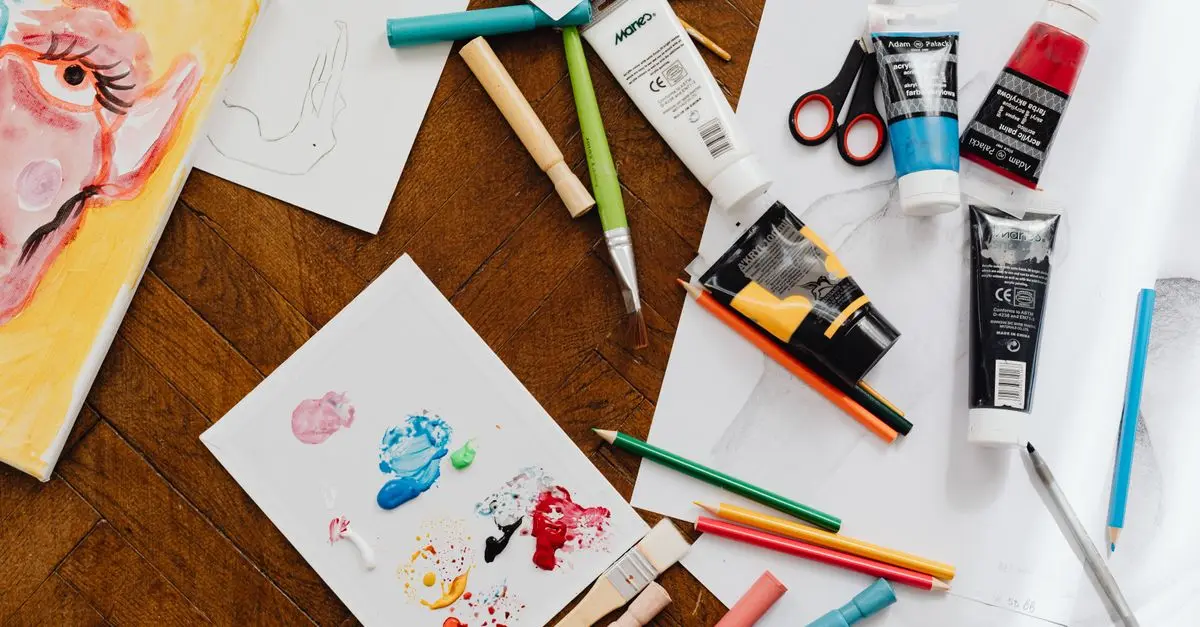
Engaging with different mediums helps broaden one's technical skill set. For example, learning the nuances between watercolour and acrylic painting can greatly influence your artistic style. Additionally, participating in workshops and online courses can accelerate skill acquisition, providing structured learning and expert feedback. Developing technical proficiency doesn't happen overnight; it requires commitment and consistency.
2. Creativity and Innovation
While technical skills are crucial, creativity is what sets an artist apart. The ability to think outside the box and push boundaries is essential to stand out in a saturated market. Artists should constantly seek inspiration from various sources, be it nature, literature, or contemporary issues.
A useful exercise is to maintain a sketchbook, jotting down ideas, thoughts, and inspirations daily. This practice helps in cultivating a habit of creativity, allowing ideas to flow more freely. Engaging in collaborative projects with other creatives can also spark innovation, as each artist brings their unique perspective and ideas. Ultimately, creativity is nourished through experimentation and a willingness to take risks.
3. Understanding Art History
A solid grounding in art history equips artists with context for their work. Knowledge of different art movements, styles, and significant artists can provide excellent insights into creating meaningful art. For instance, studying Impressionism can inspire contemporary interpretations of light and colour.
Furthermore, mastering historical techniques, such as chiaroscuro from the Renaissance, can enhance your current practice. Art history not only informs artistic style but also enables artists to reflect societal changes, influencing the narrative they wish to convey through their work. This understanding is crucial for artists looking to engage with larger cultural conversations.
4. Business Acumen
As artists, understanding the business side is just as important as artistic skill. Establishing a brand, marketing one's work, and managing finances are essential for long-term sustainability. Artists should develop a basic understanding of contracts, pricing, and copyright laws.
Utilising social media effectively to build an online presence plays a crucial role in today’s art market. Crafting a professional portfolio website can serve as a platform to showcase work and attract potential buyers and clients. Attending networking events and art fairs helps in building valuable connections. Developing these business skills can be instrumental in transforming art from a passion into a viable career.
5. Communication Skills
Art as a practice often requires collaboration and receiving feedback. Hence, effective communication is vital for artists. Being able to articulate your thoughts and artistic vision clearly helps in engaging with clients, galleries, and audiences.
Participating in artist talks, critiques, or presenting work can greatly enhance one’s ability to express and defend one's artistic choices. Active listening is equally important, allowing artists to absorb critiques and learn from the perspectives of others. Building these skills fosters stronger relationships in the art community and aids in professional growth.
6. Time Management
Time management is an essential skill for successful artists, particularly those juggling multiple projects or deadlines. Creating a structured schedule can help maintain focus and productivity. Setting achievable goals ensures progress and mitigates feelings of overwhelm.
Techniques such as the Pomodoro Technique can enhance focus, where one works for a fixed amount of time, followed by short breaks. Utilising tools like calendars or task management apps to track deadlines is also beneficial. Ultimately, mastering time management helps artists balance their creative and professional demands effectively.
7. Emotional Intelligence
Art is inherently personal, and cultivating emotional intelligence is key for artists to connect with their audiences. Understanding your own emotions and those of others enhances the depth of your work and audience engagement.
Empathy allows artists to create pieces that resonate on a deeper level. Practising self-reflection can help artists navigate the emotional highs and lows of the creative process, ultimately leading to more profound and authentic artwork. Emotionally intelligent artists tend to build stronger connections with their audiences, fostering loyalty and deeper appreciation for their work.
8. Adaptability
In a rapidly changing artistic landscape, being adaptable is crucial. Trends in art and technology evolve, and staying open to new ideas and methods can differentiate a successful artist from others. Learning new software, embracing emerging art forms, or experimenting with different styles are ways to remain relevant.
Artists should embrace a mindset of lifelong learning, always seeking to improve and innovate. Being adaptable isn't just about keeping up; it's about staying ahead and leading the way in the art world.
9. Networking
Building a robust professional network is vital for any artist. Networking connects artists with galleries, fellow artists, and potential clients, opening doors to new opportunities. Engaging with local art communities through exhibitions and workshops fosters these connections.
Social media platforms can also serve as powerful networking tools. Sharing work and interacting with others in the art field can lead to collaborations, exhibitions, or sales. According to studies, artists who actively engage in networking report higher instances of professional growth and opportunity.
10. Continuous Learning
The journey of an artist is one of constant development. Those who commit to continuous learning—whether through classes, workshops, or self-study—tend to excel. Staying updated with current trends and techniques ensures that artists remain competitive.
Investing in online resources, such as our curated selection of graphic design and creative software courses, can provide valuable knowledge and skills. Engaging with educational materials not only enriches your practice but also instills a sense of confidence as you grow as an artist.
Checklist for Essential Skills Development
- [ ] Develop technical proficiency in chosen mediums
- [ ] Cultivate creativity through daily practices
- [ ] Study art history relevant to your work
- [ ] Learn business skills to manage your art career
- [ ] Enhance communication skills for networking and presentations
- [ ] Manage time effectively for productivity
- [ ] Build emotional intelligence for deep audience connection
- [ ] Stay adaptable to new trends and technologies
- [ ] Expand your professional network actively
- [ ] Commit to continuous learning and improvement
Glossary
| Terme | Définition |
|---|---|
| Proficiency | La maîtrise de compétences techniques et créatives. |
| Adaptabilité | La capacité à changer ou à évoluer en réponse à de nouvelles conditions. |
| Intelligence Emotionnelle | La capacité à identifier et à gérer ses propres émotions et celles des autres. |


Winsor and Newton Winsor & Newton Cotman Brush Short Handle V1 - Set of 5
go-craft.co.uk
📺 Ressource Vidéo
> 📺 Pour aller plus loin : Mastering Essential Artistic Skills, une analyse complète de comment développer vos compétences artistiques. Recherchez sur YouTube : "essential skills for artists 2026".
📺 Pour aller plus loin : essential skills for artists 2026 sur YouTube
Recommended products
Selected by our experts
Winsor and Newton Winsor & Newton Cotman Brush Short Handle V1 - Set of 5
go-craft.co.uk
Winsor and Newton Winsor & Newton Cotman Brush Short Handle V1 - Set of 5
go-craft.co.uk
Winsor and Newton Winsor & Newton Cotman Brush Short Handle V1 - Set of 5
go-craft.co.uk
Winsor and Newton Winsor & Newton Cotman Brush Short Handle V1 - Set of 5
go-craft.co.uk

Unbranded 2025 Disaar Hair Care Essential Oil Hair Care Strong Repair Fork Improve Hair Es
onbuy.com

Unbranded (1PC) 1-3PCS Breylee Hair Care Anti-alopecia Essential Oil Hair Care 20ml
onbuy.com