Contents (10 sections)
Introduction
Choosing between digital art and traditional art can be a daunting task for aspiring artists. Each path offers unique tools and opportunities for personal expression and professional development. This guide will help you navigate the complexities of each form to determine which might suit your artistic journey.
Understanding Digital Art
Digital art has revolutionised the art world with its innovative tools and limitless possibilities. Artists can create, edit, and experiment with their work easily. The use of digital platforms offers a platform for vibrant colours, intricate designs, and speedy revisions, thanks to software like Adobe Photoshop and Procreate.
💡 Expert Insight: Digital art allows for easy sharing and collaboration online, broadening your network and reach as an artist.
The Craft of Traditional Art
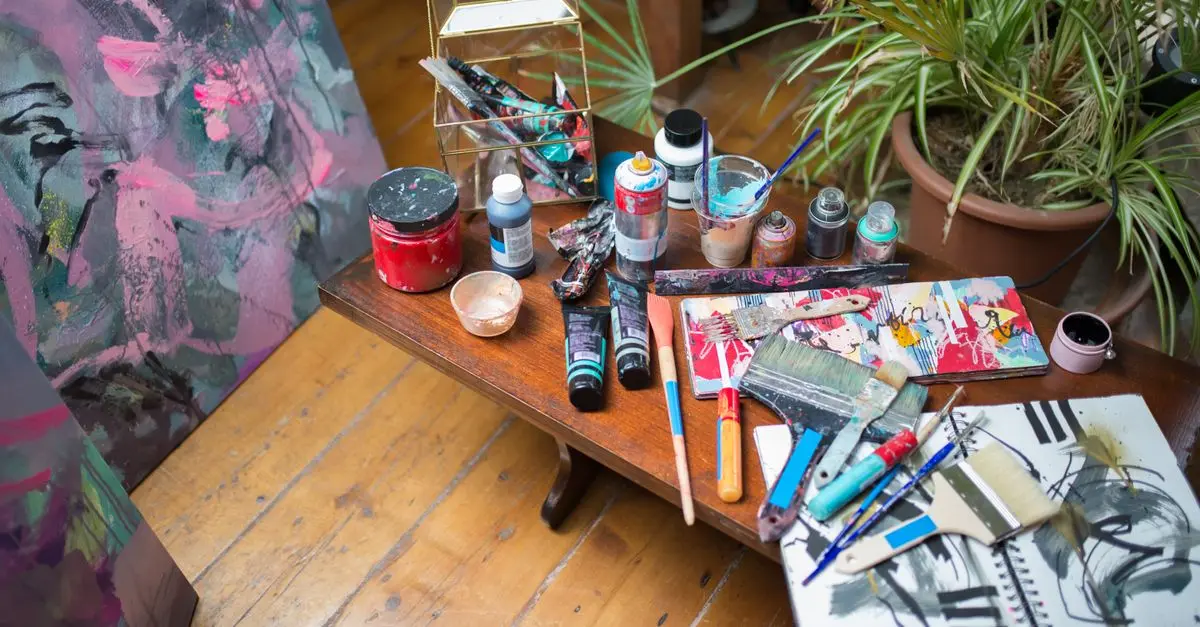
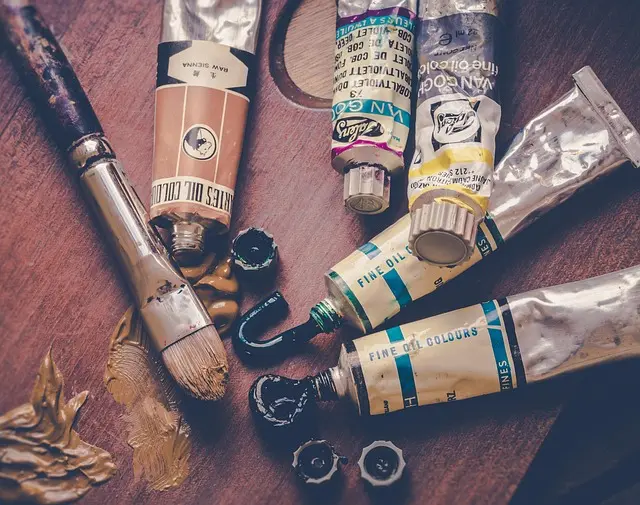
Traditional art forms have been around for centuries, offering a tactile experience that digital art cannot replicate. Working with materials like watercolours, oils, and charcoals offers a hands-on approach and a sense of connection to the medium itself, providing a therapeutic aspect to creation that many artists cherish.
Procedural Distinctions
Creating art digitally involves learning various software and understanding the hardware. Traditional art relies on mastering physical techniques and understanding how different mediums interact. A digital artist may need to focus on mastering layers and selections, whereas a traditional artist might dedicate time to mixing colours and brushwork techniques.
Objective Comparison
| Criterion | Digital Art | Traditional Art | Verdict |
|---|---|---|---|
| Tools Required | Software & digital device | Physical mediums & tools | Based on preference and technique |
| Costs | Often high initial cost | Ongoing cost of supplies | Similar overall investment |
| Learning Curve | Steeper for beginners | Gradual learning from basics | Depends on individual strengths |
| Flexibility & Editing | Highly flexible | Limited to erasing/rework | Digital favours experimentation |
Analytical Insights on Trends
Digital art is gaining popularity in the commercial realm. According to Statista, digital art sales are projected to increase by 27% in 2026 due to the rise of NFTs and online galleries. Traditional art retains a loyal following, particularly among collectors of physical artefacts.
- Is digital art harder to learn than traditional art?
Learning curves vary. Digital art requires computer literacy, while traditional art demands manual dexterity.
- What are the main advantages of digital art?
Unlimited redo/undo options and broader exposure through digital platforms.
- Can traditional art achieve the same vibrancy as digital art?
Yes, with the right mediums and techniques.
- Is artwork less valued if created digitally?
Market values differ, but digital art is increasingly respected and valued.
📺 Resource Video
> 📺 For more insight: Digital Art vs. Traditional Art: Which is Better? explores the nuances of both styles. Search on YouTube: "digital art traditional art comparison 2026".
Glossary
| Term | Definition |
|---|---|
| Digital Canvas | The screen space where digital art is created. |
| Layering | A technique in digital art to stack effects. |
| Medium | The material used to create artwork. |
Checklist Before Choosing
- [ ] Assess budget constraints for tools and materials.
- ] Evaluate your comfort with technology.
- [ ] Consider the learning curve you're willing to tackle.
- [ ] Determine which medium aligns with your artistic goals.
- [ ] Explore both mediums to make an informed decision.
Call to Action: Begin your art journey by experimenting with both digital and traditional mediums. Reflect on your preferences and goals to make an informed decision on which path to pursue.