Contents (15 sections)
Establishing a unique brand is crucial for emerging artists looking to make their mark in the competitive world of art. A well-defined brand not only showcases their creative identity but also attracts potential collectors and clientele. This article presents 10 key tips that emerging artists can implement to build a strong and recognisable brand identity.
1. Define Your Artistic Vision
A clear artistic vision serves as the foundation of your brand. Take the time to reflect on what drives your creativity. Consider your inspirations, themes, and the message you want to convey through your work. An artist's vision can evolve over time, but having a consistent message will enable your audience to connect with you on a deeper level. For instance, Banksy is known for his thought-provoking pieces that combine social commentary with street art. By identifying your unique voice, you can set your brand apart and cultivate a loyal following.
2. Create a Cohesive Gallery of Work
When potential clients or collaborators view your portfolio, it should reflect a coherent narrative and style. Take care to curate your collection, ensuring that the works displayed complement one another. This not only helps in branding but also establishes credibility as an artist. Consider using digital platforms to showcase your work, such as personal websites or social media profiles. A gallery with a consistent aesthetic will allow your viewers to understand your artistic identity more clearly, as seen in the works of artists like Yayoi Kusama who carries her signature polka dots across mediums.


Schmincke : Norma : Professional Artists' Oil : 35ml : Black Iron Oxide
craftyarts.co.uk

Holbein : Artists' : Watercolour Paint : 5ml : Cadmium Yellow Pale
craftyarts.co.uk
3. Leverage Social Media Effectively
In 2026, social media remains an invaluable tool for artists. Platforms like Instagram, Pinterest, and TikTok enable artists to connect directly with their audience, showcase their work, and engage in real-time conversations. Use these platforms strategically; create a content calendar, share behind-the-scenes processes, and interact with followers by responding to comments and messages. Moreover, consistent posting helps maintain visibility, as algorithms frequently favour active accounts. For example, Julie Mehretu effectively uses Instagram to share not just her artwork, but also her creative process, resulting in a devoted following.
4. Develop a Compelling Artist Statement
An artist statement articulates who you are, what you do, and why it matters. This document can be pivotal when applying for exhibitions, grants, or residencies. It should be personal yet professional, offering insight into your creative motivations and objectives. Aim for clarity and authenticity, expressing your unique perspective to engage your audience. A strong statement can resonate with potential collectors, helping them understand the passion behind your work. Reflect on influential artists like Frida Kahlo, whose statements often encapsulated her life experiences and emotional narratives.
5. Network and Collaborate
Building relationships within the artistic community can significantly enhance your brand's exposure. Attend local art events, join groups or forums, and seek opportunities for collaboration with other artists. Networking not only introduces you to potential clients but can also lead to partnerships that may elevate your work's visibility. For example, artists like Street Art Collective have gained recognition through collaborative murals that merge different styles and ideas. These connections can play a pivotal role in shaping your career as an emerging artist.
6. Invest in Quality Materials
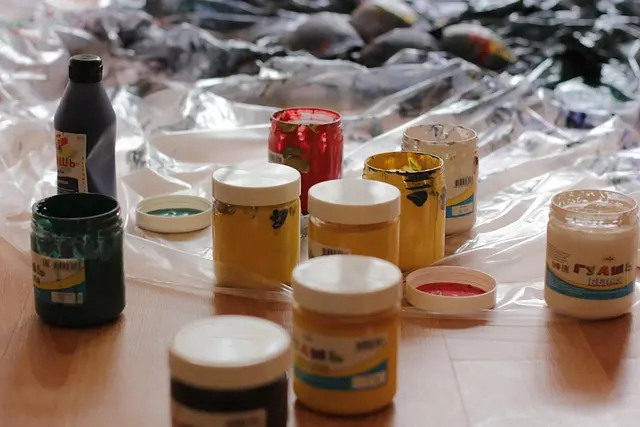
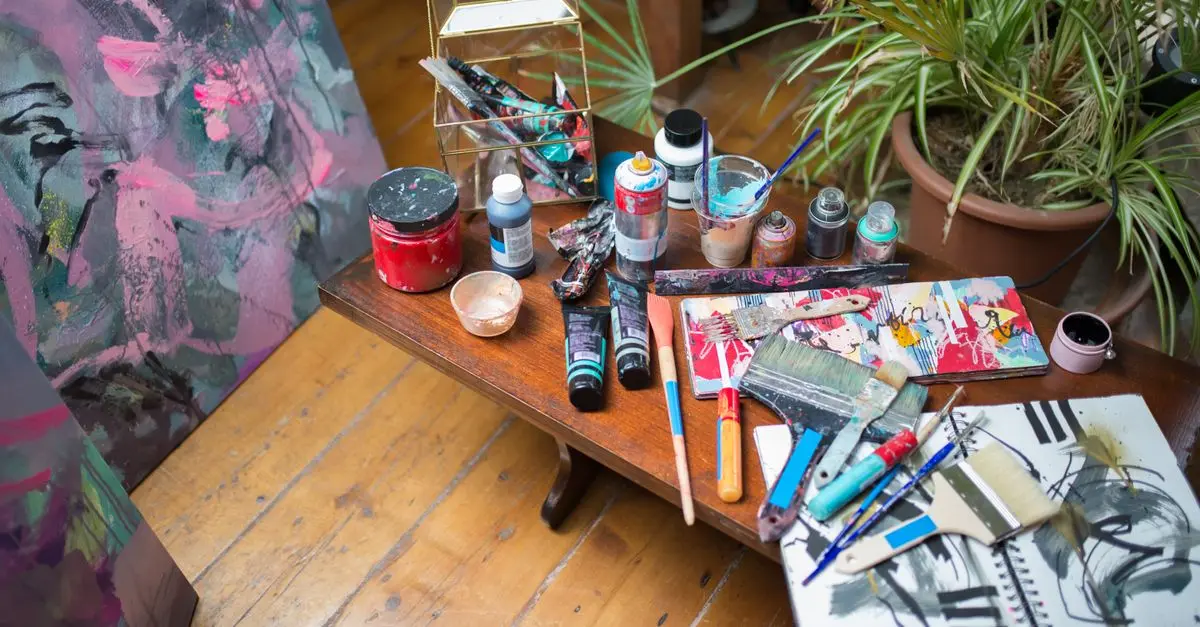
Using high-quality art supplies can improve the overall appeal and durability of your work. The choice of materials speaks volumes about your professionalism and commitment to your craft. Emerging artists should consider investing in reputable brands for paint, brushes, and substrates. For example, using Winsor & Newton oil paints can potentially enhance the depth and vibrancy of your artwork, thereby elevating your brand's perception. Remember, a quality product reflects the artist's dedication and can influence the buyer's decision.

Sony The Best Electronic Album In The World... Ever! - Various Artists - Audio CD - 6
onbuy.com

Winsor & Newton : Artists' : Oil Paint : 37ml : Cadmium Yellow Deep
craftyarts.co.uk

7. Craft a Unique Online Presence
Your online identity is often the first impression potential clients have of you. Ensure that your website is professionally designed, easily navigable, and includes a well-curated portfolio, pricing information, and contact details. Additionally, consider incorporating a blog or journal section to share your artistic journey, experiences, and insights. This can make your website a lively hub for engagement, setting a relational foundation with your audience. Artists such as Annie Leibovitz excel in maintaining dynamic websites that showcase their portfolios alongside personal reflections.
8. Participate in Exhibitions and Art Fairs
Displaying your work in exhibitions or art fairs can increase visibility and credibility. These events allow you to connect with art enthusiasts, collectors, and critics, and help establish your reputation within the art community. Participating in local fairs or smaller exhibitions can serve as stepping stones to larger platforms. Ensure that you have promotional materials, such as business cards and portfolio booklets, to distribute at these events. According to Art Basel, participating artists can significantly boost their chances of sales and collaborations.
9. Set Your Pricing Strategically
Pricing your artwork can be challenging, especially for emerging artists. It is essential to research comparable artists in your field to gauge appropriate pricing. Consider factors such as your experience, materials used, and the uniqueness of your work. Setting clear pricing can prevent undervaluing your art and ensures your efforts are compensated fairly. Be ready to adjust your prices as your reputation grows. Remember that pricing communicates your brand value. Engaging platforms like Sotheby's can provide insights on market trends and artist valuations.
10. Seek Feedback and Adapt
Receiving constructive criticism is vital for artistic development and brand enhancement. Share your work with trusted peers, mentors, or even your audience and solicit feedback on both your art and branding efforts. This input can illuminate areas for improvement that you might have overlooked. Furthermore, staying adaptable and willing to refine your approach based on feedback can lead to growth and success within the evolving art market.
Checklist before establishing your brand
- [ ] Define artistic vision
- [ ] Create a cohesive gallery of work
- [ ] Leverage social media effectively
- [ ] Develop a compelling artist statement
- [ ] Network and collaborate with other artists
- [ ] Invest in quality materials
- [ ] Craft a unique online presence
- [ ] Participate in exhibitions and art fairs
- [ ] Set pricing strategically
- [ ] Seek feedback and adapt accordingly
Glossary
| Terme | Définition |
|---|---|
| Artistic Vision | The unique perspective and themes that guide an artist’s work and message. |
| Artist Statement | A personal document that explains an artist's creative motivations and objectives. |
| Networking | The act of building professional relationships that can enhance one’s career in the art industry. |
> 📺 Pour aller plus loin : How to Build Your Art Brand, une analyse complète des stratégies essentielles pour établir votre marque. Recherchez sur YouTube : "how to establish your art brand 2026".
Conclusion
In conclusion, establishing a robust brand as an emerging artist involves a combination of defining your vision, curating your work, and networking effectively. By following these ten tips, you can develop a brand that not only reflects your artistic identity but also resonates with your audience.
Recommended Products
- High Quality Portable Graphic Drawing Tablet Monitor For Artists - Ideal for artists looking to create digital artwork with precision.
- Professional Artists' Oil Paint - Perfect for adding depth and vibrancy to your artworks.
- Watercolour Paints - Essential for artists who prefer a fluid, transparent medium for their work.
📺 Pour aller plus loin : how to establish your art brand 2026 sur YouTube
Recommended products
Selected by our experts

Daler Rowney Daler-Rowney : FW Artists' Ink : 29.5ml : Flame Orange
craftyarts.co.uk

Daler Rowney Daler-Rowney : FW Artists' Ink : 29.5ml : Fluorescent Blue
craftyarts.co.uk

Jo Sonja's Jo Sonja : Artists' Mediums : 500ml : Satin Polyurethane Varnish
craftyarts.co.uk

Schmincke : Norma : Professional Artists' Oil : 35ml : Cerulean Blue
craftyarts.co.uk

misc ARTEMAE Artists' Red Sable Brush - Sizes Listed*** No. 12 ; Round (Short Handled)
craftyarts.co.uk