Contents (16 sections)
Establishing a unique artistic brand is essential for every new artist hoping to thrive in the competitive art world. An artistic brand not only showcases your creativity but also establishes your presence in the marketplace, allowing you to connect meaningfully with your audience. In 2026, as the landscape continues to evolve, following a strategic approach is crucial in successfully navigating this journey. Here are ten essential tips to help artists build their unique brand.
1. Define Your Artistic Identity
To create a unique artistic brand, first, you must define your identity as an artist. What themes resonate with you? What mediums do you enjoy working with? Reflect on your past works, and note down the elements that are consistently present. This clarification will inform your style and voice, making it easier to communicate your vision to your audience. Understanding who you are as an artist sets a solid foundation for your brand and is crucial in maintaining consistency across various platforms.
2. Develop a Signature Style
Next, focus on developing a signature style that differentiates you from other artists. This doesn't mean you can't experiment with different techniques; rather, the core of your art should have recognizable traits. For instance, consider artists like Vincent van Gogh with his vibrant brush strokes or Frida Kahlo with her rich use of colour and symbolism. Devote time to honing this style through practice and experimentation, and aim to make it a hallmark of your artistic identity.

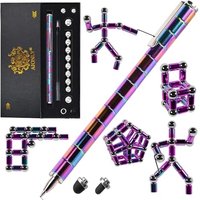
Fidget Magnetic Pen, Decompression Ballpoint Magnet Pen Birthday Gifts for Men Teen, Christmas Stocking Filler Gift For Teenage Boys Girls, Unique Coo
Amazon Sellers Programme (UK)
3. Build an Online Presence
In today's digital age, an online presence is invaluable. Create a visually appealing website that showcases your portfolio, biography, and artist statement. Utilise social media platforms such as Instagram, Pinterest, and TikTok to share your works, process videos, and engage with your audience. Statistics show that over 70% of consumers conduct online research before making purchases, making it essential for artists to establish their brand's digital footprint effectively.
4. Network and Collaborate
Building relationships within the art community can significantly enhance your brand visibility. Attend art fairs, exhibitions, and workshops to connect with fellow artists, curators, and industry professionals. Collaboration can take many forms, from joint exhibitions to co-creating art pieces, and can introduce your work to entirely new audiences. Networking isn't just about what you can gain; it's also an opportunity to share your insights and build lasting connections.
5. Tell Your Story
Every artist has a unique story, and sharing yours can foster a deeper connection with your audience. Use your bio on your website and social media to communicate your journey, inspirations, and the emotions behind your work. Storytelling can involve multimedia elements like videos or blog posts detailing your creative process, goals, and personal experiences. According to research conducted by Harvard Business School, storytelling significantly increases the recall of ideas, making your brand more memorable.
6. Produce Consistent Content
Consistency in your content output is integral to maintaining engagement with your audience. Whether it’s weekly blog posts, daily social media updates, or monthly newsletters, setting a schedule helps establish expectations. This not only keeps your audience engaged, but it also enforces your brand voice and visual identity across different platforms. Additionally, transparency about your workload and upcoming shows can create a buzz around your artistic activities.


2019 New Arrivals Unique Slim Soft Protective Anti-Shock Real Wood Case for iPhone XS Max
Alibaba UK
7. Embrace Feedback and Adapt
Critiques and feedback are part of the artistic journey. Embrace constructive criticism from peers and your audience, as this can guide you in refining your work. Regularly assess how your audience engages with your art, whether through comments, shares, or sales. Maintaining flexibility in your approach enables you to adapt your brand to meet the expectations of your audience while remaining true to your artistic identity.
8. Invest in Quality Presentation
The presentation of your artwork plays a pivotal role in defining your brand. Invest in high-quality photography for your online portfolio, and pay attention to details such as framing and finish when showcasing physical pieces. Quality presentation not only enhances the appeal of your art but also signifies your professionalism as an artist. According to The Art Business Conference, quality imagery can elevate an artist’s perception in the market and stimulate interest and sales.
9. Utilise Merchandising Strategies
Exploring merchandising strategies can help you monetise your brand effectively. From prints and merchandise to hosting workshops, diversifying your income streams can bolster your brand identity while increasing your visibility. Ensure the products align with your artistic vision to maintain brand integrity, and utilise your online platforms for promoting these offerings. This can help you reach a broader audience and create another avenue for engagement.
10. Review and Reflect
Lastly, take the time to regularly review and reflect on your artistic growth and brand development. Set specific goals for your brand each year, assess your progression, and adjust your strategies accordingly. Consider maintaining a journal to document your journey and note down key milestones and lessons learned. Sustainable growth relies on your ability to evolve while remaining true to your core identity.
📺 Ressource Vidéo
> Pour aller plus loin : How to Build Your Artistic Brand, une analyse complète de la création d'une marque artistique. Recherchez sur YouTube : "building an artistic brand".
📋 Glossaire
| Terme | Définition |
|---|---|
| Identité artistique | La représentation unique d'un artiste à travers ses œuvres et ses thématiques. |
| Signature Style | Les caractéristiques distinctives qui rendent l'art d'un artiste reconnaissable. |
| Merchandising | Stratégies utilisées pour vendre des produits dérivés ayant rapport avec l'artiste ou ses œuvres. |
Checklist avant achat
- [ ] Définir votre identité artistique.
- [ ] Développer un style unique.
- [ ] Créer un site web attrayant.
- [ ] Participer à des événements artistiques.
- [ ] Rédiger et partager votre histoire.
- [ ] Publier du contenu régulièrement.
- [ ] Cultiver une attitude ouverte face aux critiques.
- [ ] Soigner la présentation de vos œuvres.
- [ ] Explorer des options de merchandising.
- [ ] Réévaluer et ajuster votre stratégie régulièrement.
🧠 Quiz rapide : Quel est l'élément le plus important dans l'établissement d'une marque artistique ?
- A) La qualité des œuvres
- B) L'identité artistique
- C) La stratégie de marketing
Réponse : B — L'identité artistique est au cœur de toute marque réussie.
Conclusion
En suivant ces stratégies, les nouveaux artistes peuvent établir une unique artistic brand qui les distinguera dans le monde de l'art. Le succès artistique nécessite du temps, de la passion et l'engagement à évoluer. N'attendez plus, commencez ce voyage aujourd'hui !
📺 Pour aller plus loin : how to build an artistic brand 2026 sur YouTube
Recommended products
Selected by our experts

inProxima K1000WU, 1920X1200pixels 10000 lumens large venue projector with lens shift Unique LASER PROJECTOR
Alibaba UK

China Suppliers Newest Cosmetics Makeup Case Unique Phone Shape Private Label Eyeshadow Palette Packaging
Alibaba UK

Upgraded 2019 Touch control bluetooth 5.0 earbuds true wireless earphones ipx7 waterproof earphones with unique charging case
Alibaba UK