Contents (15 sections)
1. Understand Art Fundamentals
The foundation of any artistic style lies in understanding the basic principles of art. This includes elements like colour theory, composition, perspective, and form. By mastering these fundamentals, artists can experiment with techniques and materials that resonate with them. For example, a deep understanding of colour theory can help an artist select palettes that convey emotion and meaning. It's often beneficial to participate in foundational art courses or workshops, which can provide practical guidance and allow hands-on learning.
2. Experiment with Different Mediums
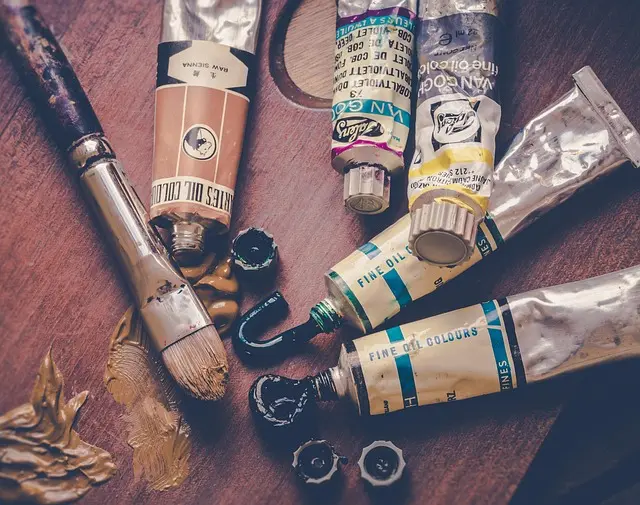
As a new artist, trying different mediums can significantly influence your personal style. Artists may discover that oil paints suit their expression better than acrylics, or that charcoal allows for the dramatic effects they desire. Experimenting with various tools and materials broadens your horizon and can inspire your creativity. Consider joining community art classes where supplies are provided, allowing you to explore without heavy investment.
3. Identify Your Influences
Identifying artists and styles that inspire you is essential for developing a unique style. This doesn't mean imitating them but understanding what aspects resonate with you and why. Create a mood board featuring your favourite works and analyse their qualities—consider aspects like line work, colour usage, and subject matter. Developing an understanding of your influences can help you to blend them into your own unique voice.
4. Practice Regularly
Regular practice is crucial for developing any skills, including artistic abilities. Set aside dedicated time each week for creative engagement, free from outside distractions. Keeping an art journal where you sketch concepts or experiment with different styles can also be beneficial. This not only improves your skills but allows for self-reflection over time, helping to identify what feels most true to your artistic voice.
5. Seek Feedback
Art can be deeply personal, and sharing your work for feedback can be daunting. However, constructive criticism is invaluable for growth. Seek out fellow artists or mentors who can provide thoughtful insights on your work. Be open to receiving both positive and negative feedback, as this dual perspective will aid in refining your style. Online platforms like DeviantArt or Instagram can also serve as arenas for sharing work and receiving feedback from a broader audience.
6. Create a Personal Brand
Establishing a personal brand can help encapsulate what makes your work unique. Think about how you want to be perceived as an artist and what message your art conveys. This could involve creating a signature style—perhaps a specific colour palette or a set of recurring themes. Developing a cohesive body of work that reflects your identity as an artist will increase your visibility in the art community and help attract an audience.
7. Build Your Artistic Community
Connecting with fellow artists can create essential support networks. Participate in local art groups or online communities where artists share their journeys. Engaging regularly with peers can lead to collaborative opportunities and a chance to learn from one another. According to UFC-Que Choisir, artists who network and find community support often report greater satisfaction and motivation in their creative pursuits.
8. Stay Informed on Art Trends
While developing a unique style, keeping an eye on current art trends can be useful, mainly to identify gaps or opportunities within the market. However, selectively incorporating these trends into your work is key. Follow art magazines or blogs and visit galleries to observe what is currently resonating with audiences. This contextual awareness can help differentiate your style while ensuring it still feels fresh.
9. Embrace Mistakes
Mistakes are part of the learning process in art. Some of the most unique styles have emerged from unintentional experimentation—think of them as opportunities rather than setbacks. Allow yourself the freedom to explore and make errors without judgement. Such experiences can lead to unexpected discoveries. Document these experiences; they may inspire a new direction in your artistic journey.
10. Keep Evolving
An artist’s journey is never truly complete. As you grow personally and professionally, your artistic style will naturally evolve. Maintain a mindset of exploration and willingness to adapt. Revisit your older pieces regularly and reflect on how your style has shifted over time. This evolution can be documented in your portfolio, showing potential clients or galleries your growth and adaptability.
💡 Avis d'expert : Un artiste a partagé que sa découverte la plus précieuse a été d'accepter l'évolution de son style, ajoutant que "an artist's journey is not linear, and embracing change is crucial for true expression."
Checklist before embarking on your artistic journey
- [ ] Understand the fundamentals of art
- [ ] Experiment with different mediums
- [ ] Identify personal influences
- [ ] Practice regularly
- [ ] Seek feedback from peers
- [ ] Create a personal brand
- [ ] Build a community of artists
- [ ] Stay informed on trends
- [ ] Embrace mistakes as part of growth
- [ ] Keep evolving your style
Glossaire
| Terme | Définition |
|---|---|
| Style Artistique | Un ensemble de choix visuels et techniques qui déterminent l'œuvre d'un artiste. |
| Médium | Matériau ou méthode utilisé pour créer une œuvre d'art, par exemple, peinture, sculpture ou photographie. |
| Portfolio | Collection de travaux d'un artiste, souvent utilisée pour démontrer ses compétences et son style à des clients ou des galeries. |
📺 Ressource Vidéo
> Pour aller plus loin : Découvrir comment développer votre style artistique propose une analyse complète de cette dynamique. Recherchez sur YouTube : "how to develop your unique art style 2026".
- - - ---
📺 Pour aller plus loin : how to develop your unique art style 2026 sur YouTube
Recommended products
Selected by our experts


CIW Site Development Associate Online Training with Live Labs and Exam (1D0-61B)
Learning 24/7


StarTech.com USB to M.2 SATA Converter for Raspberry Pi and Development Boards
Quzo UK