Contents (14 sections)
Embarking on a journey as a new artist can be both exhilarating and daunting. In a world teeming with creative possibilities, the quest for skill enhancements becomes paramount. This article delves into 10 essential techniques for new artists, aiming to refine their abilities and boost their confidence in their craft.
1. Master the Basics of Drawing
Understanding the fundamentals of drawing is essential for any artist. This skill serves as the foundation upon which all artistic techniques are built. Begin by practicing basic shapes—squares, circles, and triangles are the building blocks of more complex objects. Regular sketching sessions can lead to improved hand-eye coordination and spatial awareness. Numerous online resources offer tutorials focused on drawing fundamentals, enabling artists to progress steadily while honing their skills.
2. Experiment with Different Mediums
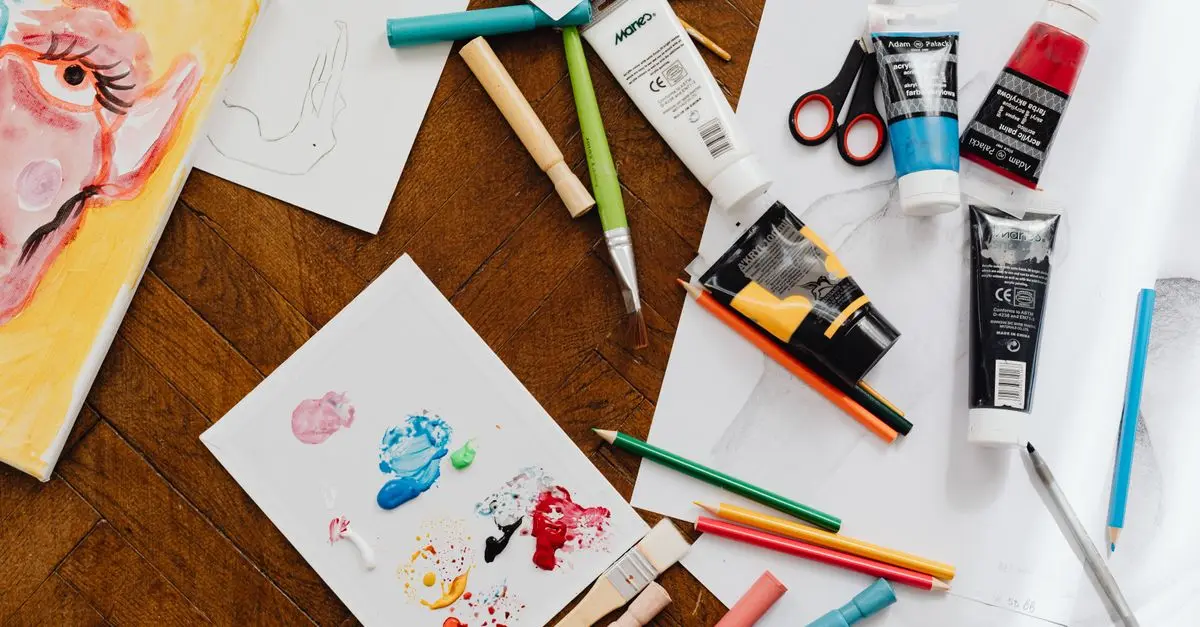
As a new artist, it’s vital to explore various artistic mediums to discover what resonates most with your style. Watercolour, acrylic, oil, and digital media each offer unique properties and challenges. For instance, acrylic paint dries quickly, allowing for layering and experimentation, while oil paint offers a longer working time for blending. By experimenting, you can find your preferred medium and develop a more unique artistic voice.


3. Learn Colour Theory
Understanding colour theory is crucial for creating harmonious artworks. Knowledge of the colour wheel, complementary colours, and colour mixing can drastically enhance the vibrancy of your pieces. Experiment with colour combinations to evoke different emotions in your artwork. Many art courses cover colour theory extensively, providing strategies for effective application in your practice.
4. Develop Your Observation Skills
New artists should prioritise developing keen observation skills. This ability is critical for accurately capturing the nuances of the world around us. Consider setting aside time each week to draw from life—still lifes, landscapes, or people in various settings. Collaborative sessions with other artists can also provide fresh perspectives and constructive critiques that boost observation skills immensely.
5. Create a Visual Journal
Maintaining a visual journal is an empowering technique for a new artist. This private space allows for free expression without the pressures of perfection. Artists can sketch ideas, experiment with colour palettes, and test different styles. Over time, this journal will become a visual diary of progress, helping to recognise growth and refining artistic preferences.
6. Use Online Resources Wisely
In the digital age, countless resources are at an artist's fingertips. Websites like Skillshare and YouTube offer tutorials on various techniques, while online platforms allow for feedback from a community of artists. Engaging with others can lead to new insights and foster motivation. However, be selective and ensure that the resources align with your learning style and artistic goals.


7. Attend Workshops and Classes
Attending workshops and art classes can be incredibly beneficial for new artists. Immersive experiences allow for hands-on learning and direct feedback from instructors. Many community centres and art schools offer affordable classes that cater to a range of skill levels. This interaction can also help build a network of fellow artists, creating a supportive community.
8. Set Clear Goals
Goal-setting is vital for progression. Establish specific, measurable, achievable, relevant, and time-bound (SMART) goals to motivate your practice. For instance, aim to complete one painting per month or attend one art class every two weeks. Regularly reassessing these goals ensures growth while maintaining enthusiasm for your craft.
9. Embrace Mistakes
As a new artist, it's crucial to recognise that mistakes are part of the learning process. Embracing errors can lead to unexpected discoveries in your techniques. Instead of seeking perfection, channel your energy into experimentation. Over time, this mindset will empower you to take risks creatively, producing unique and authentic work.
10. Share Your Art and Seek Feedback
Sharing your work with others, whether through social media, local galleries, or artist communities, can be a daunting yet valuable experience. Constructive feedback is essential for growth, helping to identify areas for improvement. Actively seeking input from peers can lead to enriching artistic conversations and may open doors for new opportunities. Remember, every artist's journey is unique, and sharing yours can inspire and connect with others.
Checklist before starting your artistic journey
- [ ] Master the basics of drawing
- [ ] Experiment with at least three different mediums
- [ ] Learn about colour theory
- [ ] Practice observation skills through still life or figure drawing
- [ ] Keep a visual journal
- [ ] Use online resources to learn new techniques
- [ ] Attend at least one workshop or class
- [ ] Set SMART goals for your art practice
- [ ] Embrace mistakes and learn from them
- [ ] Share your art and gather feedback
Glossary
| Term | Definition |
|---|---|
| Artistic Medium | The materials used by an artist to create a work of art. Examples include acrylics, oils, and watercolours. |
| Colour Theory | The study of how colours interact, mix, and influence emotions. |
| Visual Journal | A personal notebook for sketching ideas, experimenting with techniques, and documenting artistic growth. |
📺 Resource Video
> For further insights, watch “Beginner Artist Techniques”, a detailed exploration of essential skills. Look for it on YouTube using the query: beginner artist techniques 2026.
📺 Pour aller plus loin : beginner artist techniques 2026 sur YouTube
Recommended products
Selected by our experts

Marshall Artist Mens White House Check Map T-Shirt - Male - White - X-Small
designerwear.co.uk